
Dogies Hikers Embrace January West Sedona Chill
March 06, 2026
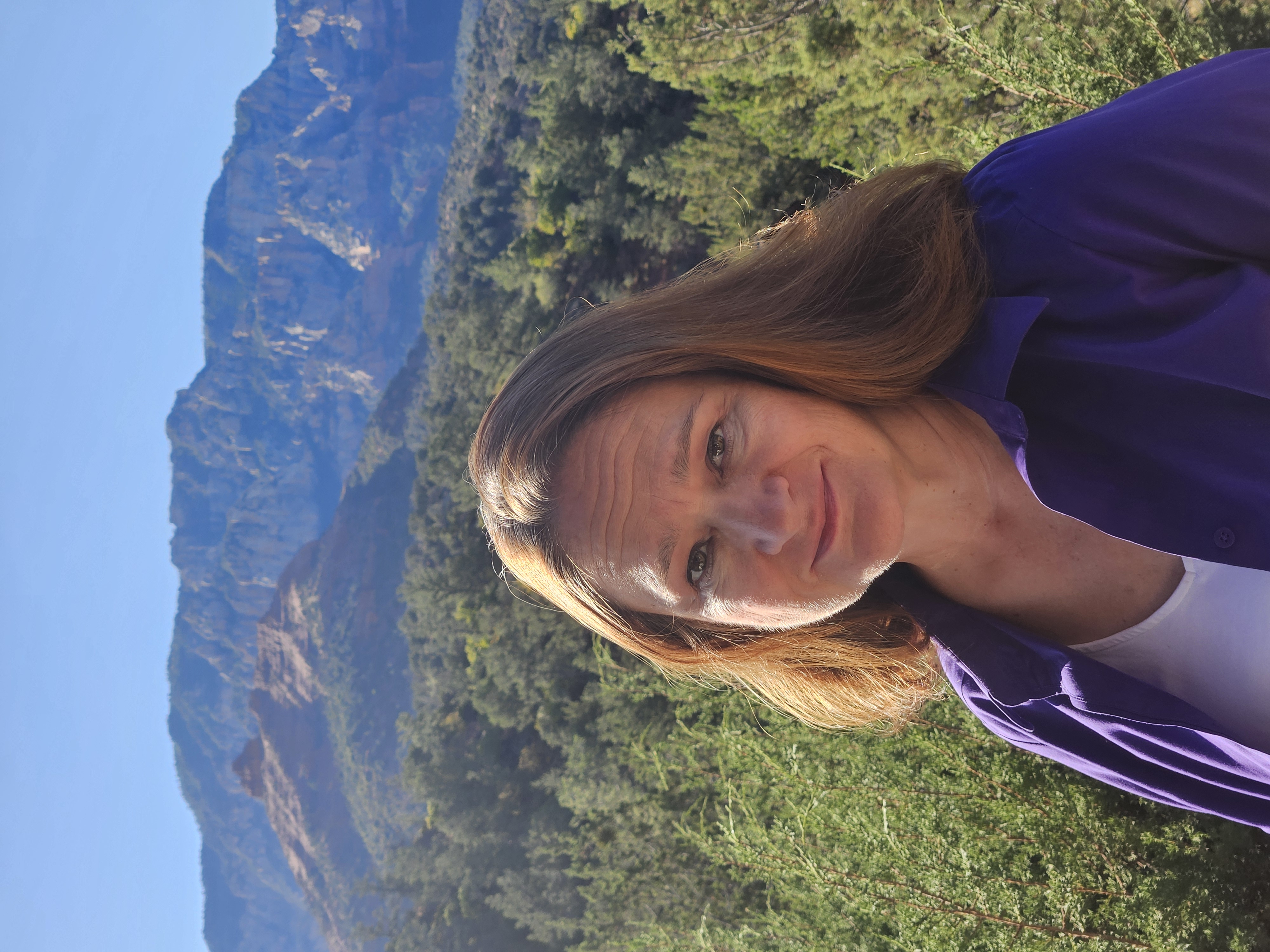
By Annette Such

Thin sheets of ice formed delicate patterns across pools in Carroll Canyon, creating natural designs that resembled feathers or fine glasswork. The fragile ice, shaped overnight by freezing temperatures, revealed the quiet artistry of winter in the red rocks.
The morning started out brisk, the kind of cold that makes you pause for an extra second before pulling on your boots. We dressed in layers and packed gloves and hats. Winter hiking in Sedona has its own charm: the light is softer, the trails are quieter, and a little bit of chilly air makes you appreciate every sunny break in the rocks. Parking is extremely limited at the Carroll Canyon trailhead, so we met instead at Sunset Park, and began our hike from there.
Before any Sedona Westerners hike, leaders scout the route in advance, a step the club takes seriously to confirm trail conditions, check for hazards, and ensure the group will stay on the proper track on hike day. During the Dogies’ scouting hike, leaders noticed something disappointing: an unusual amount of trash scattered along sections of the trail. So, on hike day, they came prepared with extra bags, and hikers picked up litter along the way. This kind of trail stewardship is a customary practice for Sedona Westerners, but the amount of debris on this particular hike stood out. Apparently, the winter rains caused trash from the city to wash down onto the trail and into the canyon. The club takes pride in keeping trails clean, and members also regularly report any graffiti they encounter to the Forest Service so it can be addressed quickly. It was a small act of service woven into a morning of recreation, and a reminder that caring for Sedona’s trails is everyone’s responsibility.
Once we were on the dirt path, winter’s fingerprints were everywhere. Small pools of standing water had frozen overnight and lingered in shaded areas, untouched and sparkling, often with fun patterns that looked like delicate feathers or lace. It was not thick, solid ice, but thin sheets, fragile and glassy, etched with trapped air bubbles and tiny cracks that turned ordinary puddles into natural artwork.
As we moved along Ridge Trail and connected over to Sketch, the day opened up around us. To the north, familiar silhouettes like Capitol Butte and Coffee Pot rose against a sky scrubbed clean by the previous day’s wind. Looking south and east, Sedona’s icons appeared one after another, including Cathedral Rock, Pyramid, Napoleon’s Tomb, and a genuinely beautiful view of the Secret Slickrock area.
But the scenery was not the only story on this route. Along the cliffs we hiked, there is a major northwest-trending normal fault, one of the dramatic geologic “seams” that helps explain why Sedona’s landscape changes so quickly from one view to the next. The cliffs themselves consist of uplifted Supai rocks, much older than the flatter terrain below, which is largely made up of Hermit Formation rocks. If you want to picture it another way, as we walked along the ridge, we were essentially traveling right on top of that fault line, tracing the edge where two very different chapters of Sedona’s geologic history meet.
If you noticed, the rocks along the side of the trail looked different from the familiar bright red rocks that many people associate with Sedona. Much of the classic “Sedona red” comes from the Schnebly Hill Formation. The Schnebly Hill Formation is mostly sandstone and most often red to reddish orange. All of that is younger than the older Supai rocks that have been lifted up along the fault. It is a reminder that Sedona’s beauty is not just the color of the rocks, but the story in the layers, the way ancient seas, deserts, and tectonic movement all contributed to what we see today.
Carroll Canyon itself is more than scenic; it plays a quiet role in Sedona’s natural drainage system. The canyon serves as a wash for melting snow and rainfall from multiple tributaries to the north and ultimately feeds into Oak Creek to the south.
Like many Sedona washes, Carroll Canyon also keeps hikers alert. Crossings can be dry one day and muddy the next. Earlier scouting had warned of puddles and ice, and on our January hike we found a bit of everything, some frozen, some slick, other areas merely damp. It was the kind of surface that encourages careful foot placement and a steady pace.
Our break stop was Secret Slickrock, a favorite spot for sunset visits as well. The pale rock made a perfect seat in the winter sun, and for a few minutes everything felt still and peaceful.
Continuing toward Ram’s Head, we were reminded again why this area remains such a favorite with the Sedona Westerners. The trails are accessible, varied, and endlessly customizable. You can hike a shorter loop or link multiple routes for a longer morning, all while staying surrounded by iconic views and the kind of subtle, surprising details, like frozen puddle patterns and ancient rock layers, that reward those who pay attention.
As always, the Sedona Westerners welcome new members and new hiking friends. With multiple hikes each week for a wide range of abilities, there is truly something for everyone. With hiking season running through early May, there is still plenty of time to lace up your boots, enjoy the red rocks at their absolute best, and help preserve the trails that make Sedona such a special place to explore. To learn more, see upcoming hikes, or join the club, visit sedonawesterners.org.